"I'm so itchy!"
Dr. Megan Stauffer • June 25, 2018
Scratching Out the Causes of Itchy Skin
"I am so itchy!” It's a common complaint in the allergy clinic. Chronic itching can be very bothersome and can significantly affect a person’s quality of life. It is typically defined as itching lasting longer than six weeks. By the time a patient gets to the allergy clinic, they are frustrated, often sleep deprived and looking for answers.
The causes of chronic itching are vast, and although we see many of these patients in the allergy clinic, allergy is often not the cause of chronic itching. Causes of itching may be divided into those associated with a rash and those without a rash.
The causes of chronic itching are vase, and although we see many of these patients in the allergy clinic, allergy is often not the cause....
Itching with a rash may be caused by conditions such as ezcema, contact dermatitis, medications, psoriasis, insect bites or chronic hives. Itching without a rash is more likely related to an underlying systemic issue, such as a liver, kidney or blood disorder. Dry skin is a common cause of itching, particularly in the winter. On occasion, the chronic itching will eventually result in a rash typically sparing the back and often triggered by an underlying neurological or psychological cause.
Testing will depend on the results of history and physical
exam findings, but it may include blood work, allergy testing by prick skin testing or patch testing, and X-ray studies. Treatment also depends on the underlying cause of the rash. Antihistamines, cool baths, nonfragrant moisturizers and topical steroids may be recommended. Often times the primary care physician must work together with an allergist and/or a dermatologist to diagnose and manage this frustrating condition.
You might also like
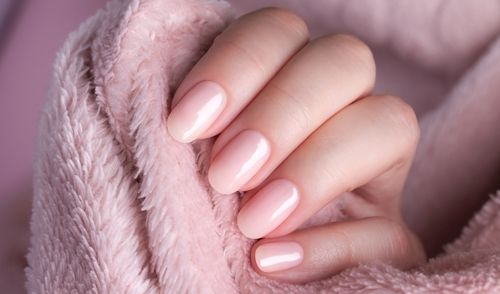
Allergic Contact Dermatitis from Gel Nail Polish (HEMA / Methacrylates) What is happening? The itching, swelling around the cuticles, small blisters, and peeling skin are signs of allergic contact dermatitis — an allergic reaction caused by chemicals in gel nail polish called (meth)acrylates. The most common culprit is a chemical called HEMA (2-hydroxyethyl methacrylate). Why did this happen after months of use? This type of allergy is a delayed immune reaction. The body needs repeated exposures — often over many months — before the immune system becomes sensitized. This is why the product may have seemed perfectly fine at first. Why are home kits riskier? Gel nail polish must be fully "cured" (hardened) under a UV or LED lamp. When the polish is fully cured, the chemicals become locked into a solid polymer and are no longer irritating. The problem occurs when the polish is not fully cured — leftover uncured chemical monomers sit on the skin and trigger the allergic reaction. Home kits are riskier because: The lamp may be underpowered or mismatched to the polish formula Layers may be applied too thickly for the lamp to cure completely Curing times may be too short Technique without professional training increases skin contact If you're having an allergic reaction to at-home gel nail kits, discontinue use and review your products and technique to ensure quality ingredients, sufficient curing times, and properly powered lamps.

Summer is in full swing! Learn why some seasonal activities can cause flare-ups and how you can protect your lungs while still enjoying the festivities.

If you spend any time browsing the internet or social media, you’ve likely seen advertisements for mail-in allergy kits. They promise to test for hundreds of food intolerances and environmental sensitivities using just a few strands of your hair or a quick saliva swab. It sounds incredibly convenient, painless, and comprehensive. But if it sounds like a gimmick, it probably is. While these mail-in tests are heavily marketed, they often lack scientific backing and can leave patients feeling more confused than comforted. The Science of Allergy Testing. What Are We Looking For? To understand why hair and saliva tests don't work, we have to look at how the immune system reacts to allergens. When you have a true allergy, your body produces a very specific type of antibody called IgE (Immunoglobulin E) . These antibodies bind to mast cells (allergy cells), which are on high alert to protect you from perceived invaders like pollen, dust mites, or specific food proteins. The fundamental flaw with mail-in hair and saliva kits comes down to basic biology: Wrong Locations: Mast cells and IgE antibodies are not traditionally found in your hair follicles or saliva. Unreliable Results: Because these testing methods are looking in the wrong place, they are highly unstandardized and unvalidated. You are highly likely to get a flood of false positives or false negatives that are impossible to interpret accurately. What the Experts Say: Major medical organizations strongly advise against these methods. The National Institute of Allergy and Infectious Diseases (NIAID) explicitly recommends against using hair analysis for food allergy evaluations due to a lack of diagnostic value. Furthermore, the American Academy of Allergy, Asthma & Immunology (AAAAI) and the American College of Allergy, Asthma & Immunology (ACAAI) have issued strong practice guidelines stating that hair analysis should not be used to evaluate food allergies. The Big Misconception: IgE vs. IgG Many mail-in companies charge anywhere from $150 to upwards of $600 for "sensitivity" panels. When patients produce these multi-page reports, the testing is almost always checking for IgG (Immunoglobulin G) antibodies, not IgE. There is a massive difference between the two: